
 News
News Energy Resilience in Times of Crisis: Why Investment in Renewables Has Become a Global Imperative
Energy experts emphasize that countries which have made significant investments in renewable energy-particularly since 2022 are now more resilient in the face of ongoing fuel crises.
Recent geopolitical tensions, especially in the Middle East, have once again exposed the vulnerability of the global energy supply system. These developments have highlighted the world’s heavy dependence on fragile fossil fuel supply routes and reinforced the urgency of accelerating the transition to sustainable energy sources.
One of the most critical chokepoints is the Strait of Hormuz, a narrow waterway through which a substantial share of the world’s crude oil and liquefied natural gas (LNG) is transported. Any disruption in this corridor has far-reaching consequences for global energy markets, driving up prices and placing additional pressure on import-dependent economies.
Asian countries, as the primary destinations for these energy exports, have been the most affected. However, Europe is also facing significant challenges, with policymakers seeking ways to reduce energy consumption. Meanwhile, African nations are bracing for rising fuel costs and the inflationary pressures that follow.
Unlike previous oil shocks, today’s situation is marked by a key difference: in many parts of the world, electricity generated from renewable sources is now cost-competitive with fossil fuels. Reports indicate that the majority of newly developed renewable energy projects are more affordable than traditional fossil fuel alternatives.
While oil continues to play a vital role in industries such as fertilizer production and plastics manufacturing, countries with a higher share of electricity generated from renewable sources such as solar and wind are less exposed to global market shocks. This is because renewable energy relies on domestic resources rather than imported fuels.
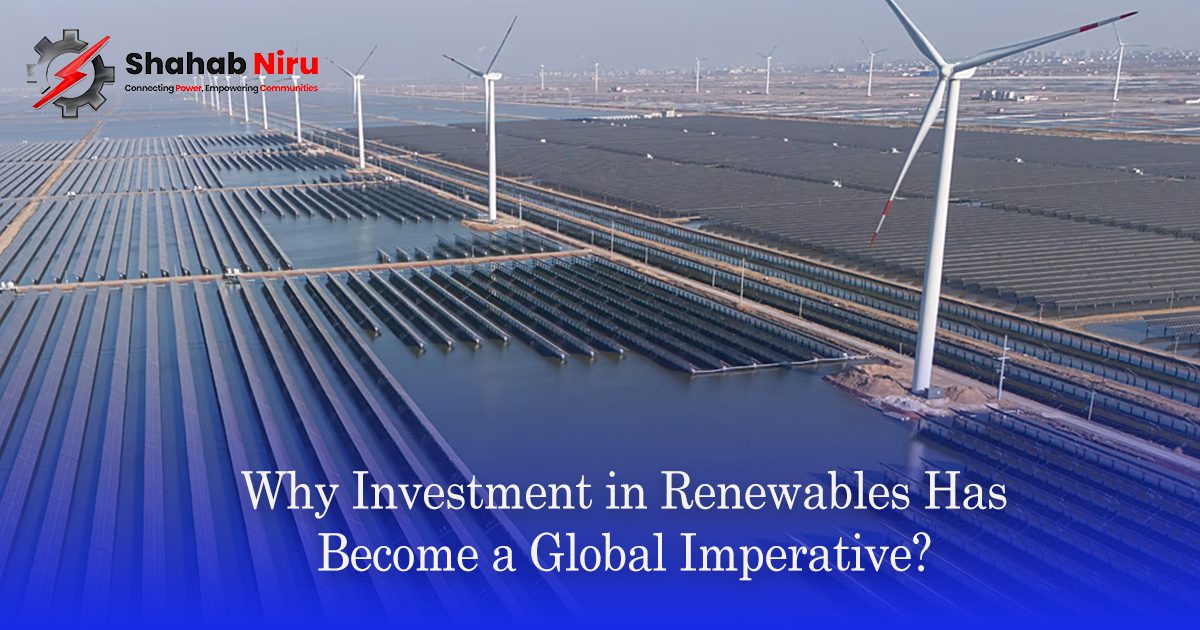
Major economies like China and India have taken steps to strengthen their energy security by expanding renewable energy capacity. Although both countries still rely on fossil fuels, China has made significantly larger investments and has advanced more rapidly in this transition.
Today, China is recognized as a global leader in renewable energy. Its rapid expansion in this sector has enabled it to meet growing economic demands while simultaneously reducing its dependence on energy imports.
Overall, current trends suggest that the future of global energy security is increasingly tied to the development and expansion of renewable energy-an approach that not only reduces vulnerability to external shocks but also supports sustainable economic growth.
Leave a Reply