
 News
News Recent Advances in Wireless Power Transfer in Finland
Recent Advances in Wireless Power Transfer (WPT) in Finland
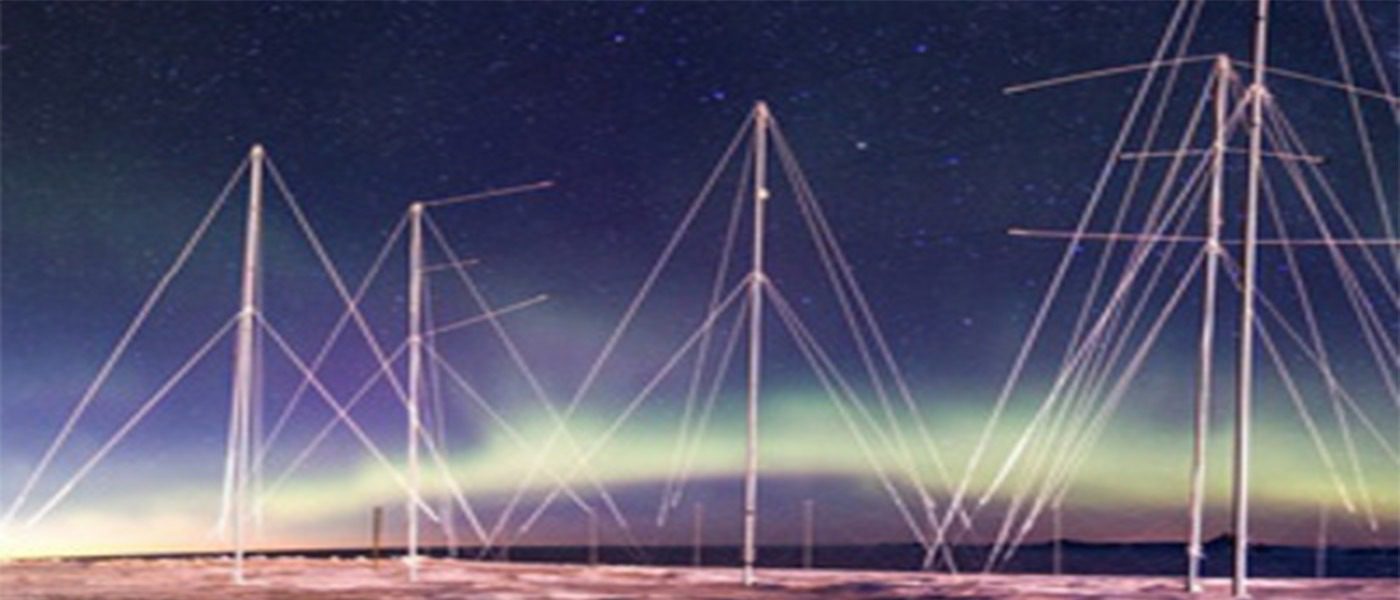
In recent years, advanced research in Finland has been conducted in the field of Wireless Power Transfer (WPT), attracting significant attention from the global scientific and engineering communities. These studies, primarily led by reputable universities and research institutions such as Aalto University, focus on transmitting electrical power through electromagnetic waves.
In this approach, electrical energy is first converted into radio-frequency or microwave signals and then transmitted through free space. On the receiving side, these waves are captured by specialized equipment known as rectennas and converted back into usable electrical power. Laboratory results indicate that this technology is suitable for powering low-consumption devices, sensors, smart systems, and certain specialized industrial applications.
Despite these advancements, it must be emphasized that this technology remains at the research and experimental stage and is not currently capable of replacing high-voltage (HV) transmission lines. Large-scale power transfer for networks such as 220 kV, 400 kV, and 500 kV systems still relies on conventional transmission infrastructure, which continues to offer superior efficiency, safety, and compliance with technical regulations.
Nevertheless, wireless power transmission may serve in the future as a complementary technology alongside traditional power networks—particularly in hard-to-access areas, high-risk industrial environments, smart projects, and next-generation power delivery systems.
Shahab Niru Electrical Company continuously monitors emerging scientific and technical developments within the power industry and believes that awareness of future technologies plays a vital role in sustainable development, engineering decision-making, and infrastructure project planning.
Leave a Reply